Thoughtful sessions, guided discussions, and genuine engagement through our shared passion.

Howdy Book Lovers 👋
We believe that
books have the power to transform lives.

T


A rule-breaking


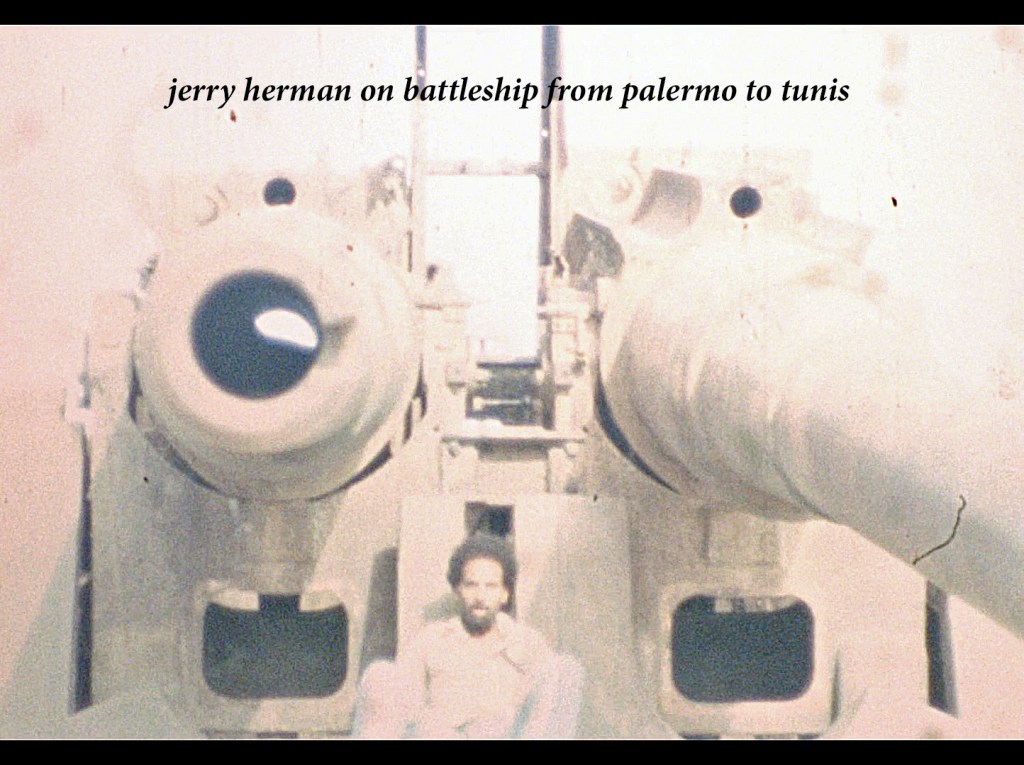
Jerry Herman
In the spring of 1963, Jerry traveled with a university ministry group (ISU) to Savannah, Georgia, to work with a local effort aimed at registering Black voters. Hosea Williams, who would become a key organizer of the SCLC around the summer of Mississippi, led the local group. Jerry completed his work at the university later that year and moved to Chicago. He joined the protests against the “Willis Wagons” while teaching in the Chicago public school system. He initially taught at a South Side middle school, then at Crane and Forrestville high schools. As a new teacher, he quickly became aware of the inadequacies of the school system. He described them as practically criminal considering the impact of such neglect on the future of Chicago’s students. He continued his community organizing, partnering with Dick Gregory to challenge the notion that Black people were confined by history and activities to Chicago’s inner areas. They organized decisive protests in Bridgeport. They were continually arrested during the summers of 1964/65. After the joint decision of the CCCO and the SCLC to form the Chicago Freedom Movement, an effort to break the implicit restrictions on Black life, Jerry began an organizational support effort on the Near North Side of Chicago. Al Raby asked Jerry to attend a meeting with him on Saturday at a downtown hotel, where they met Walter Fauntroy, a representative of the SCLC. Jerry remembers this meeting as his first understanding of how the joint organizational effort would operate. SCLC staff began to arrive in Chicago and settle on the West Side. Dorothy Wright (Tillman) was assigned to work with him on the Near North Side of the city. The Chicago movement continued to explore ways to engage the city, whether the central impetus would be housing, jobs, schools, etc. Jerry reflected that housing and enclosed communities seemed to be the issues creating the most tension. He believes that protests in areas like Bridgeport helped the leadership of the movement decide to contest enclosed communities with the concept of open housing. Note: Accounts of Jerry’s conditioning, constant surveillance, and attempts by the FBI to recruit him appear in the document, “Sedgwick Street.”
The demonstrations in racially closed areas commenced and resistance were immediate and violent. Jerry participated in every demonstration, including the violence in Marquette Park. Thousands of White residents, mostly young folks attacked the busses with an intensity that obviously worried demonstrators, but also the city and state government. The city government, aware of its image, finally sent in busses to transport them out of the violence. Jerry remembers how they hugged the floor as the busses shuttled through a gauntlet of bottles and bricks. Every window was smashed in his bus. Jerry was more concerned about the numbers of students he had brought into the movement, many of whom had attended the march. Fortunately they survived without injuries. Martin King was struck in the head during the Marquette Park demonstrations.
Later the city government began meeting with the Chicago Freedom Movement Leadership. These meetings led to an “agreement” on a protocol toward an open city. Many local Chicago community leaders felt that King’s threat of a March to Cicero, which was used as a wedge to move the “agreement” forward, should have been carried out. Jerry agreed with the need to use the threat of a march to Cicero strategically, but felt that because a march to Cicero was being called by a number of community leaders, that he was obliged to participate. Jerry recalls, feeling very strongly that citizens have the right to walk safely in every neighborhood in Chicago and in the nation. He joined the march, and recalls it as one of the most difficult of the period.
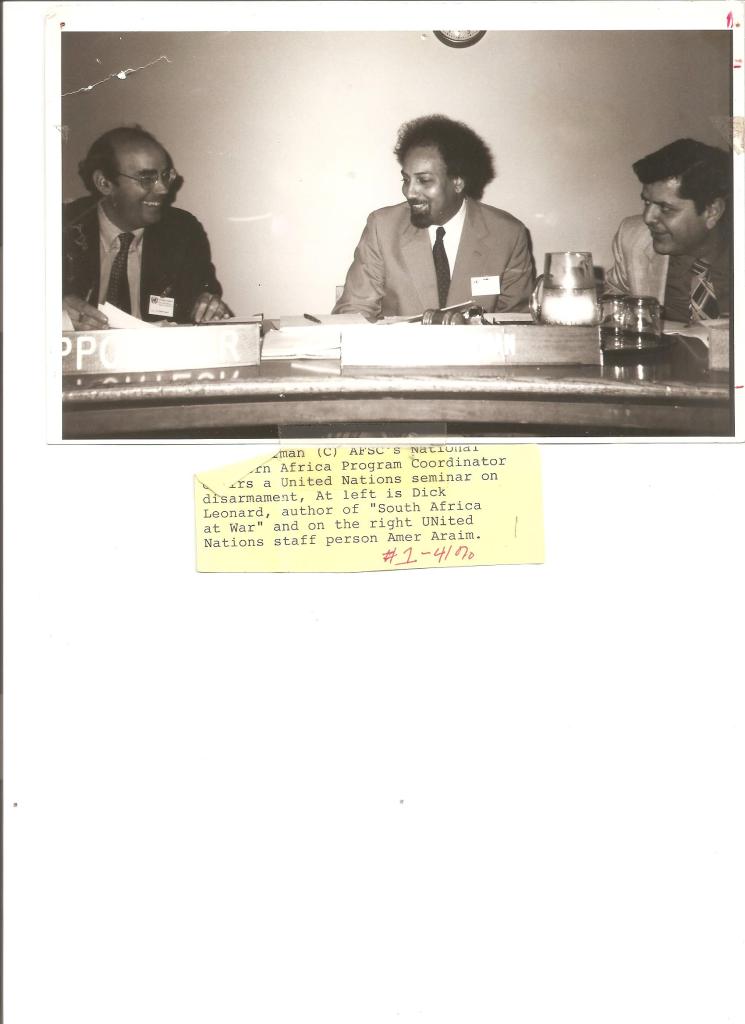
Jerry Herman went on to direct a major organizing effort against apartheid in South Africa and for a fundamental change of U.S. policy in Southern Africa. Later, he visited Mauritania and was sickened by the ongoing modern-day slavery and apartheid still being practiced. He is now a major supporter of Mauritania’s anti slavery movement.
JH, August 2005



Upcoming Events
Latest Discussions
 Jerry x Herman